
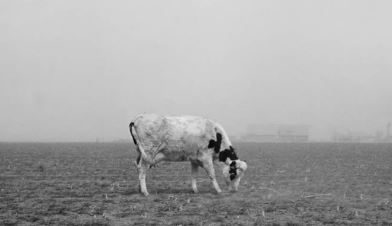
We are about to move into the hottest time of the year in the U.S. We will take a look at a brutal heat wave in the summer of 1930. This kicked of an entire decade of intense heat and all- time record setting high temperatures. The drought and resultant “Dust Bowl” conditions made the heat even more pervasive.
Summer of 1930 – All Time High Temperatures Recorded
Residents of the U.S. were ill prepared for an onslaught of summer heat back in 1930. Air conditioning was a luxury and most folks had to deal with the elements. The heat began to build in late June and by late July it extended all the way to the Eastern Seaboard and across the Midwest.
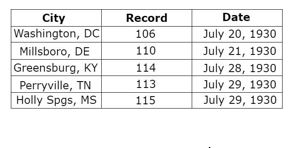
Washington, D.C. endured a 10-day stretch of unbelievable heat from July 19th to July 29th with temperatures reaching at least 100 degrees. The highest temperature during that stretch was 106 degrees and that is their all-time record high. According to the Washington Post, some thermometers on that day recorded temperatures of 108 and even 110 degrees in the city. Up to 30 people lost their lives there from the heat.
On July 21, 1930, high temperatures of 100 degrees, or higher, were widespread from the Plains to parts of the Midwest and South, all the way to the Mid-Atlantic region.
The heat wasn’t just confined to Washington, D.C. Suffocating heat was widespread. Several state records were set during the last part of July.
The table below indicates all-time state high-temperature records that were set (including D.C.).
 It has been estimated that the U.S. death toll reached four digits during the summer of 1930. The heat extended into August, as well. On August 4th the all-time state record was set at Moorfield, West Virginia as they reached 112 degrees. An August record of 108 degrees was set at Carlisle, PA on the same day.
As the summer of 1930 came to an end, little did anyone know that this would be the first of many hot summers across much of the U.S. during the 1930s. Rainfall became scarce during that decade across the midsection of the nation and that was one of the factors that led to the “Dust Bowl”. Heat and drought became the “norm’ during that decade.
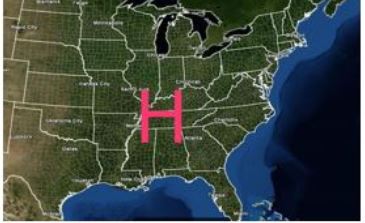
A massive ridge of high pressure aloft became a fixture in the summer of 1930.
A ridge of high pressure aloft (or bulge in the jet stream) established itself over the Southeastern U.S. during July of 1930. In these situations, the air sinks and warms, resulting in mainly clear skies and hot temperatures.
The effects of this ridge expanded northward and westward and it refused to break down easily or quickly. As a result, high temperatures in the 90s, and quite often over 100 degrees became a daily occurrence from Texas, up through the Plains and Midwest, and eastward to the Atlantic.
The summer of 1930 contributed to the overall hardships that the general population had to endure during the Great Depression. A sprawling ridge of high pressure aloft became a frequent visitor over much of the nation in the summers that followed.
More Hardship Ahead
The rest of the 1930s featured blistering hot summer temperatures with very little rainfall. especially in the nation’s midsection. 1934 and 1936 were particularly hot. This led to extreme hardship and a migration of many people to states like California. Nearly 5,000 deaths were attributed to the heat in the 1930s as air conditioning was nearly nonexistent.


